
Description
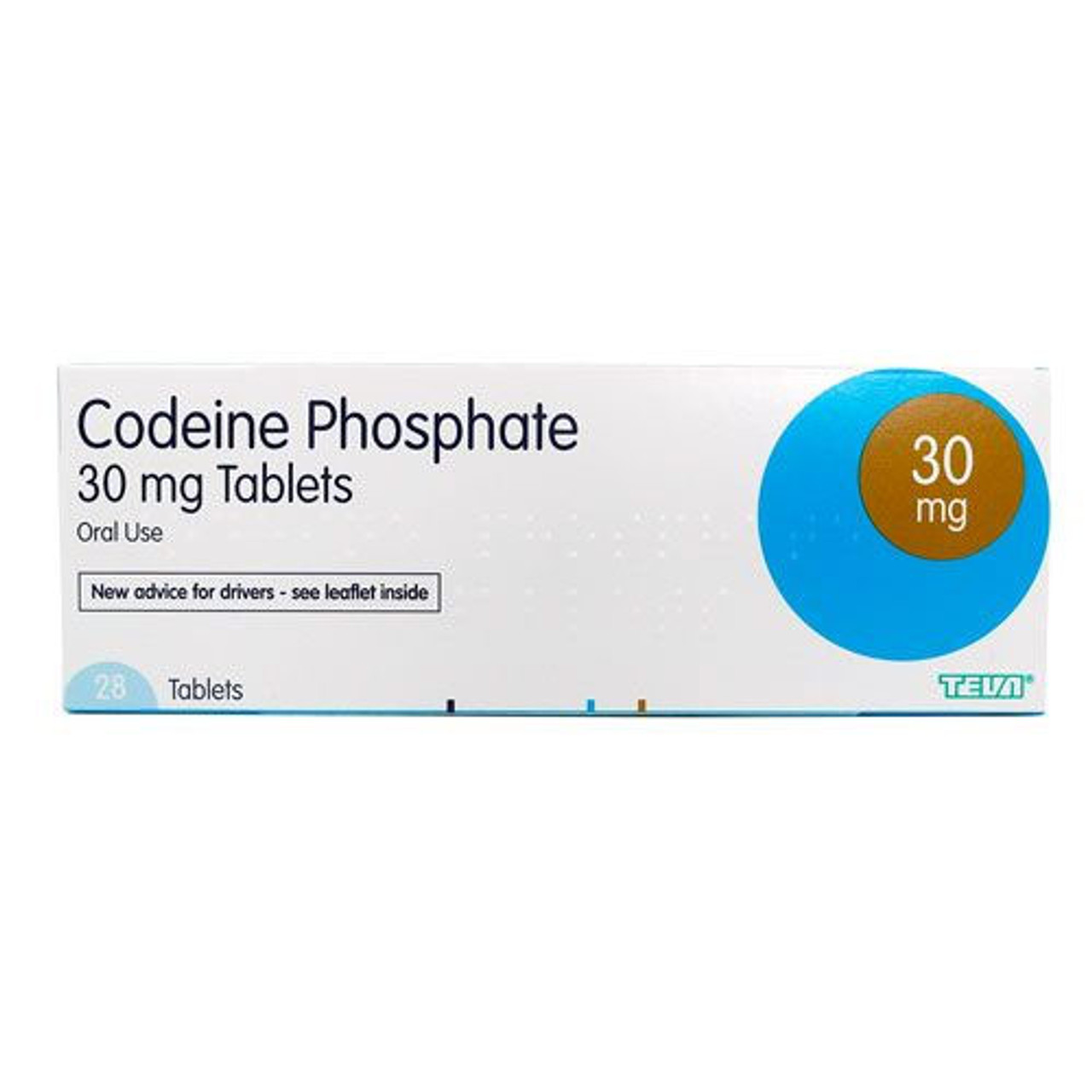
Codeine Phosphate 30mg Tablets provide effective relief from mild to moderate pain, particularly when standard painkillers such as paracetamol or ibuprofen alone have not been sufficient. As a result, they are often used for short-term pain management where additional relief is needed.
Each tablet contains codeine phosphate (30mg), an opioid analgesic that works by changing how the body responds to pain.
Active ingredient: Codeine Phosphate 30mg
Form: Tablets
Use: Relief of mild to moderate pain
Suitable for: Adults and young people aged 12 years and over
Codeine Phosphate is suitable for adults and adolescents aged 12 years and above. However, it should only be used for short-term pain relief when other treatments have not been effective.
Do not use if:
- You are allergic to codeine or any of the ingredients
- You are breastfeeding
- You have breathing difficulties such as asthma or respiratory depression
- You have liver disease
- The patient is under 12 years of age
Additionally, this medicine should not be used in children and young people who have had their tonsils or adenoids removed for sleep apnoea.
Before taking this medicine:
Before starting treatment, you should consider how and when to stop taking this medicine. This helps reduce the risk of dependence.
Dosage:
Adults:
- Take 15–60mg every 4–6 hours as needed
- Do not exceed 240mg in 24 hours
Ages 12–18:
- 15–30mg every 6 hours when required (maximum 120–240mg daily depending on weight and clinical advice)
Method: Oral use
Always take the lowest effective dose for the shortest possible time.
Important warnings:
Codeine is an opioid and can cause dependence if used for long periods. Therefore, it is important to follow the dosage instructions carefully.
- Do not exceed the recommended dose
- Avoid alcohol while taking this medicine
- Long-term use may lead to addiction or withdrawal symptoms
- If treatment is no longer needed, reduce the dose gradually rather than stopping suddenly
Use this medicine with caution in older adults and those with liver or kidney impairment.
Pregnancy and breastfeeding:
- During pregnancy, this medicine should only be used if advised by a doctor
- Do not use while breastfeeding
This medicine may cause drowsiness or dizziness. Therefore, you should not drive or operate machinery if affected.
Driving warning:
It is an offence to drive if this medicine impairs your ability. However, you would not be committing an offence if:
- It was prescribed for a medical or dental condition
- You followed the instructions provided
- It did not affect your ability to drive safely
Side effects:
Like all medicines, codeine can cause side effects, although not everyone experiences them.
Seek immediate medical attention if you notice:
- Difficulty breathing or wheezing
- Swelling of the face, lips, or throat
- Severe allergic reactions
Common side effects include:
- Constipation
- Nausea or vomiting
- Drowsiness
- Dizziness
Less common but more serious effects may include:
- Breathing difficulties
- Dependence or withdrawal symptoms
- Confusion or mood changes
- Low blood pressure
Interactions:
Codeine can interact with other medicines. For example:
- Antidepressants (including MAOIs and tricyclic antidepressants)
- Sedatives or sleeping tablets
- Other opioid medicines
- Alcohol
Always inform your doctor or pharmacist about any other medications you are taking.
Suitable for short-term use only
Always read the patient information leaflet before use
If symptoms persist or worsen, consult a healthcare professional