
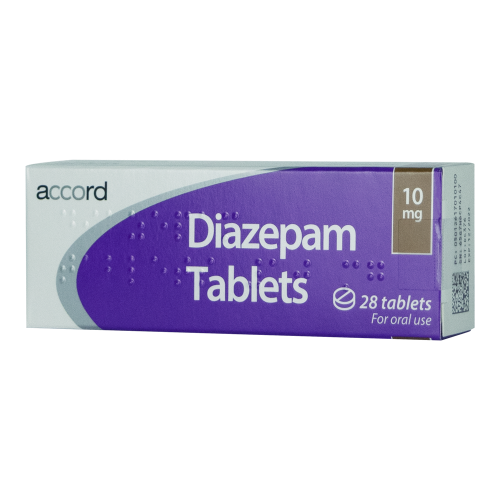
Description
Diazepam 10mg Tablets are used for the short-term relief of anxiety, muscle spasms, and acute alcohol withdrawal symptoms. They may also be used as a sedative before medical procedures. Diazepam is typically prescribed when symptoms are severe or disabling.
Each tablet contains diazepam (10mg), a benzodiazepine that works by calming the brain and nerves, producing a relaxing and sedative effect.
Active ingredient: Diazepam 10mg
Form: Tablets
Use: Anxiety, muscle spasms, alcohol withdrawal, and procedural sedation
Suitable for: Adults aged 18 years and over
Diazepam is suitable for short-term use in adults and should be taken under strict medical supervision due to the risk of dependence.
Do not use if:
- You are allergic to diazepam or any of the ingredients
- You have severe breathing problems
- You have severe liver disease
- You suffer from sleep apnoea
- You have myasthenia gravis
- You are breastfeeding
Before taking this medicine:
Before starting treatment, you should discuss your medical history with a healthcare professional, especially if you have a history of substance misuse, depression, or respiratory conditions.
Diazepam has a high risk of dependence, even with short-term use. Therefore, treatment duration should be kept as short as possible.
Dosage:
Adults:
- Dosage varies depending on condition and severity
- Typically 2mg–10mg, taken 2–4 times daily as prescribed
Method: Oral use
Always take this medicine exactly as prescribed. Do not exceed the recommended dose.
Important warnings:
- Diazepam can cause dependence and withdrawal symptoms
- Treatment should usually not exceed 2–4 weeks
- Do not stop taking suddenly; reduce dose gradually
- Avoid alcohol while taking this medicine
- May cause significant drowsiness and sedation
Use with caution in older adults, as they are more sensitive to its effects and may require lower doses.
Pregnancy and breastfeeding:
- Should only be used during pregnancy if absolutely necessary and prescribed
- Do not use while breastfeeding
Driving and operating machinery:
This medicine can significantly impair your ability to drive or operate machinery.
It is an offence to drive if this medicine affects your ability. However, you would not be committing an offence if:
- It was prescribed for a medical condition
- You followed the instructions provided
- It did not affect your ability to drive safely
Side effects:
Like all medicines, diazepam can cause side effects, although not everyone experiences them.
Seek immediate medical attention if you notice:
- Difficulty breathing
- Severe drowsiness or unresponsiveness
- Swelling of the face, lips, or throat
Common side effects include:
- Drowsiness
- Fatigue
- Muscle weakness
- Poor coordination
Less common but more serious effects may include:
- Confusion or memory problems
- Mood changes, including aggression or depression
- Dependence and withdrawal symptoms
- Breathing difficulties
Interactions:
Diazepam can interact with other medicines. For example:
- Opioid painkillers
- Antidepressants
- Antipsychotics
- Sedatives or sleeping tablets
- Alcohol
These combinations can increase the risk of severe sedation and breathing problems.
Always inform your doctor or pharmacist about any other medications you are taking.
Suitable for short-term use only
Always read the patient information leaflet before use
If symptoms persist or worsen, consult a healthcare professional